Outdoor Vs. Indoor Cannabis Cultivation – Pros and Cons
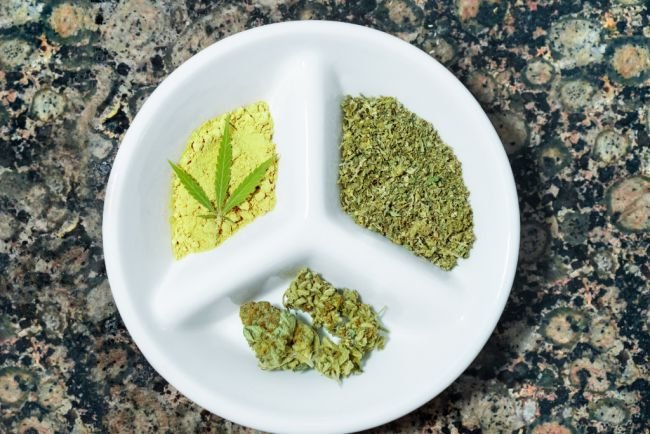 In the ever-evolving landscape of cannabis cultivation, growers face a crucial decision: outdoor or indoor cultivation? Each method presents its own set of advantages and challenges, shaping the quality, yield, and sustainability of the final product. Delving into the pros and cons of outdoor versus indoor cannabis cultivation unveils a nuanced portrait of cultivation practices, offering insights into the diverse approaches adopted by cultivators worldwide.
Outdoor Cannabis Cultivation
Let us first talk about outdoor or sungrown weed cultivation practice.
Pros
Here are the primary benefits associated with this method of cannabis cultivation.
Cost-Effectiveness
Outdoor cultivation offers significant cost savings compared to indoor methods, as growers leverage natural sunlight and soil nutrients, reducing reliance on artificial lighting and climate control systems.
Environmental Sustainability
Embracing the power of nature, outdoor cultivation minimizes energy consumption and carbon emissions associated with indoor facilities, promoting ecological balance and conservation of natural resources.
Terroir Expression
Sun grown bud embodies the unique terroir of its cultivation region, reflecting the soil composition, climate, and environmental factors that shape its flavor, aroma, and cannabinoid profile.
Higher Yield Potential
With ample space and sunlight, outdoor cultivation can yield larger harvests per plant compared to indoor methods, allowing for higher production volumes and economies of scale.
Cons
Now let us look at a few limitations of this method.
Limited Control
Outdoor cultivation is susceptible to environmental factors beyond growers’ control, such as weather fluctuations, pests, and disease outbreaks, posing risks to crop health and yield consistency.
Seasonal Constraints
Sungrown cannabis cultivation is confined to specific growing seasons dictated by climate and daylight hours, limiting year-round production and revenue streams for growers.
Regulatory Challenges
Outdoor cultivation may face zoning restrictions, permitting requirements, and compliance hurdles imposed by local authorities, hindering the expansion and scalability of operations.
Quality Variability
Despite its terroir expression, sungrown weed may exhibit variability in quality and potency due to environmental fluctuations, potentially affecting consumer preferences and market demand.
Indoor Cannabis Cultivation
Next, let us talk about the indoor method of weed cultivation.
Pros
Indoor cultivation also has its own benefits.
Climate Control
Indoor cultivation provides growers with precise control over environmental variables such as temperature, humidity, and lighting, enabling year-round production and consistent crop quality.
Pest and Disease Management
Sealed indoor environments minimize the risk of pest infestations and disease outbreaks, ensuring crop health and minimizing reliance on pesticides and fungicides.
Enhanced Security
Indoor facilities offer heightened security measures, protecting crops from theft, vandalism, and unauthorized access, safeguarding valuable genetic strains and intellectual property.
Cultivar Diversity
Indoor cultivation enables growers to experiment with a wide range of cannabis cultivars, including exotic and high-value strains, catering to niche markets and consumer preferences.
Cons
Here are some of the drawbacks associated with this type of weed cultivation.
High Operating Costs
Indoor cultivation requires significant upfront investment in infrastructure, equipment, and energy consumption, contributing to higher production costs compared to outdoor methods.
Environmental Impact
Indoor facilities consume large amounts of electricity for lighting, ventilation, and climate control, resulting in a higher carbon footprint and environmental impact compared to outdoor cultivation.
Limited Terroir Expression
Indoor-grown cannabis may lack the terroir expression and sensory nuances characteristic of outdoor cultivation, as it is cultivated in controlled environments divorced from natural ecosystems.
Regulatory Compliance
Indoor cultivation may face zoning restrictions, building code requirements, and regulatory scrutiny from local authorities, adding administrative burdens and compliance costs for growers.
Conclusion
The choice between sun grown bud and indoor cannabis cultivation hinges on a multitude of factors, including cost, environmental impact, quality, and regulatory considerations. While outdoor cultivation offers cost-effectiveness and terroir expression, indoor cultivation provides climate control and security advantages.…